
Last Update: 18th July 2026
Beijing Travel Guide 2026
Planning a trip to Beijing? Our comprehensive travel guide covers the city’s top attractions, the Great Wall, where to stay, local food, transport, suggested itineraries and practical travel tips to help you make the most of your visit.
Welcome to Beijing
Beijing is one of the world’s oldest capital cities, with more than 3,000 years of history and over 800 years as China’s political centre. Home to magnificent imperial palaces, UNESCO World Heritage Sites, traditional hutongs and the iconic Great Wall, Beijing offers an unforgettable blend of ancient culture and modern life.
Whether you’re visiting for a few days or beginning a longer journey across China, Beijing is the perfect place to discover the country’s rich history, remarkable architecture and vibrant local culture.
Quick Facts About Beijing
| Fact | Information |
|---|---|
| Population | Over 21 million |
| Language | Mandarin Chinese |
| Currency | Chinese Yuan (CNY) |
| Time Zone | China Standard Time (UTC+8) |
| Best Time to Visit | April–May & September–October |
| Airport | Beijing Capital (PEK) & Beijing Daxing (PKX) |
| Recommended Stay | 3–5 Days |
Why Visit Beijing?
Imperial History
Walk through the Forbidden City and discover the home of China’s emperors for nearly 500 years.

The Great Wall
Visit one of the world’s greatest engineering achievements at Mutianyu, Jinshanling or Gubeikou.

Incredible Food
Sample authentic Peking Duck, traditional Beijing noodles and delicious local street snacks.

Beautiful Parks
Relax in the Summer Palace, Temple of Heaven and Beihai Park.

Easy Transportation
Excellent subway system and two international airports make Beijing easy to explore.

Traditional Hutongs
Experience Beijing’s historic alleyways and courtyard homes.

Top Things to Do in Beijing
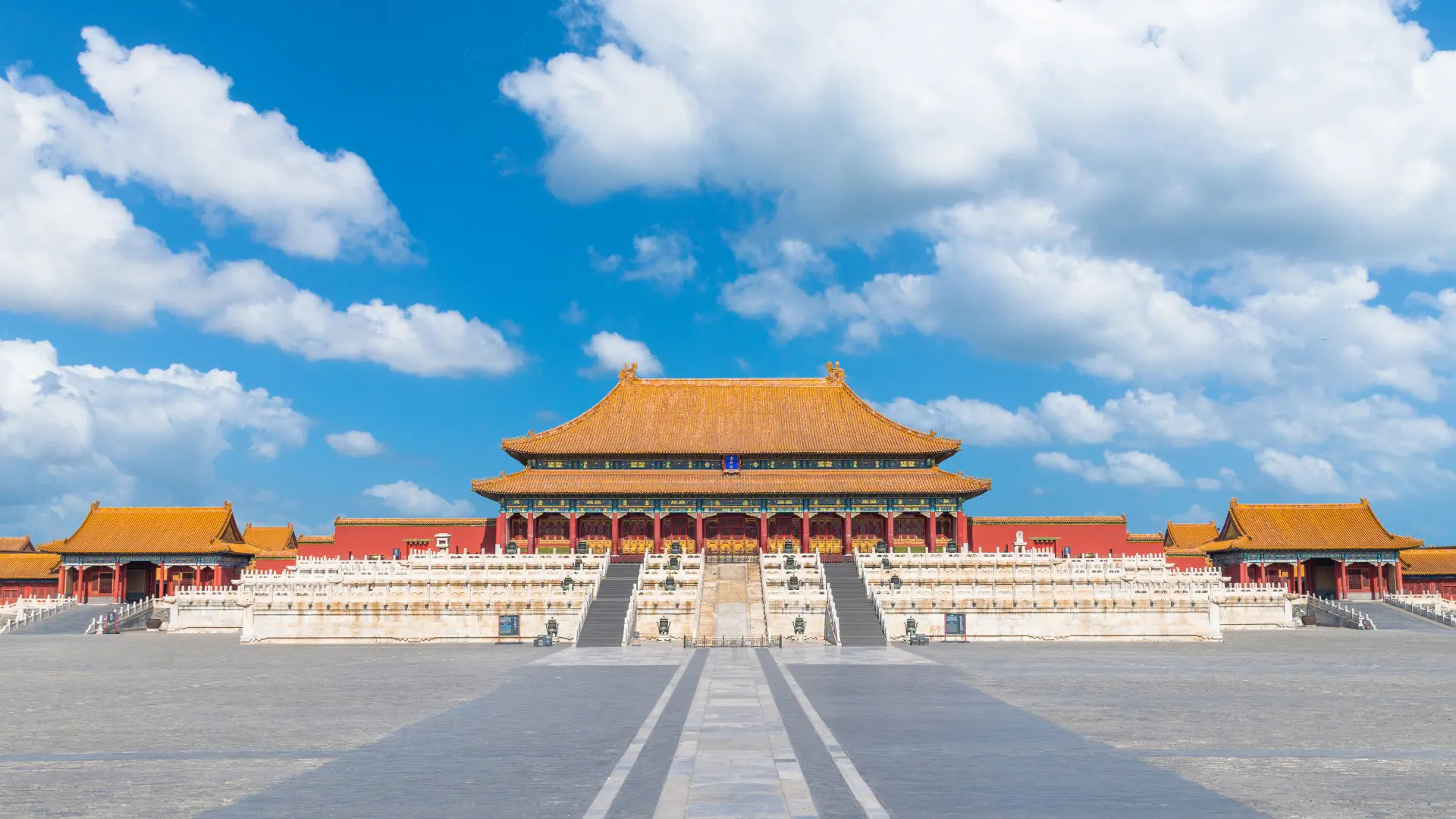
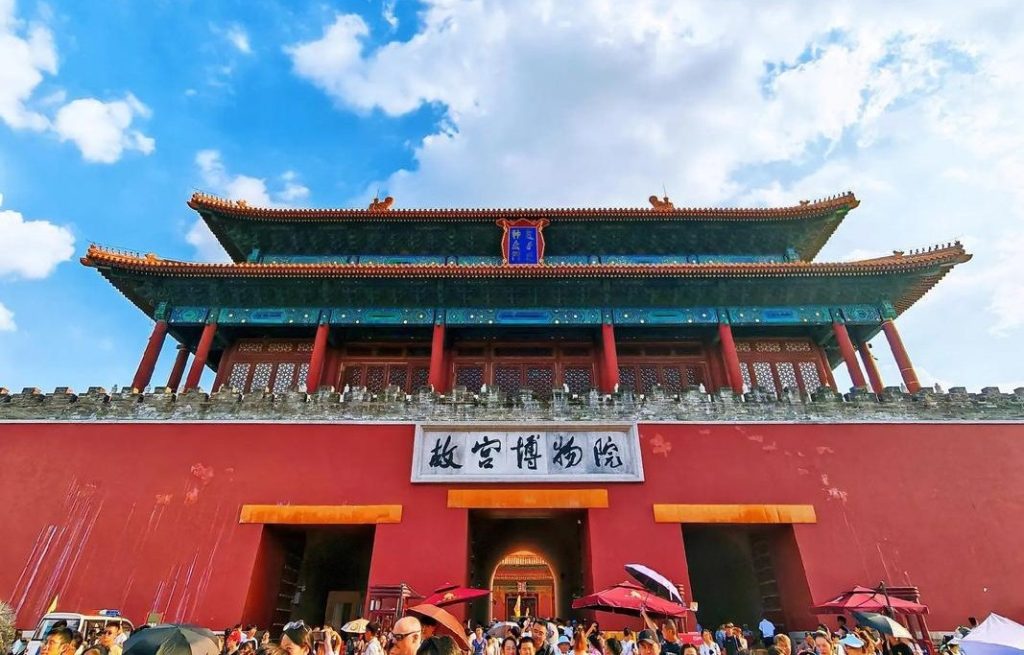
The Forbidden City is Beijing’s most famous attraction and one of the world’s greatest imperial palace complexes. Built in 1420 during the Ming Dynasty, it served as the home of 24 emperors for nearly 500 years. Today, it forms the heart of the Palace Museum and is recognised as a UNESCO World Heritage Site. As one of Beijing’s most popular attractions, advance ticket reservations are essential, especially during peak travel seasons. We recommend allowing at least three to four hours to fully appreciate the palace’s remarkable history, architecture and cultural significance.
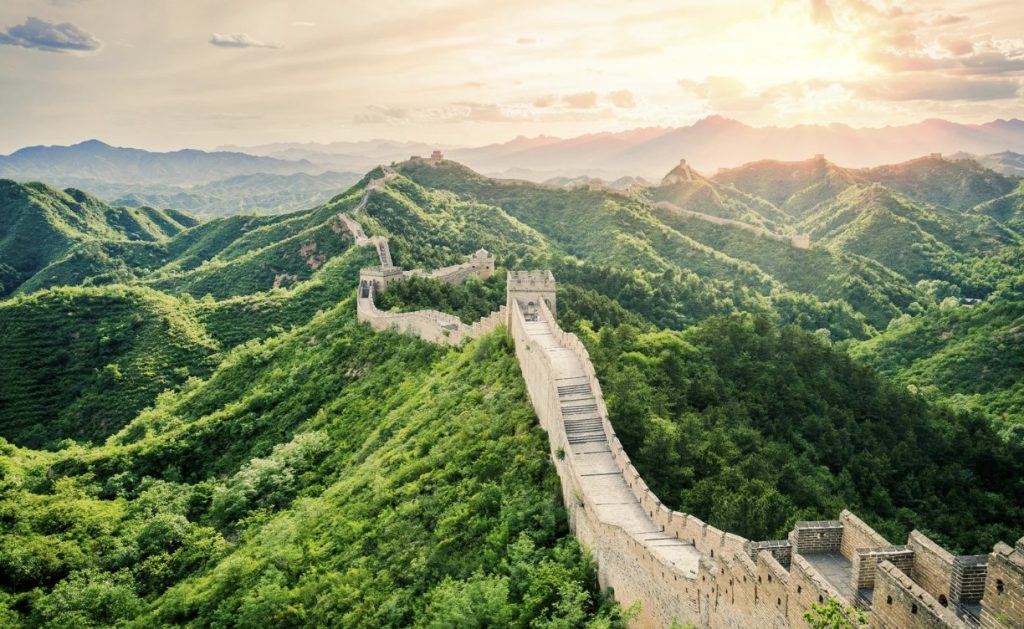
No visit to Beijing is complete without experiencing the Great Wall of China, one of the world’s greatest engineering achievements and a UNESCO World Heritage Site. Stretching for more than 21,000 kilometres across northern China, the Great Wall was built over many centuries to defend ancient Chinese kingdoms from invasion.
Several sections of the Great Wall are easily accessible from Beijing, each offering a unique experience.
Mutianyu is the most popular choice for first-time visitors thanks to its beautifully restored watchtowers, spectacular mountain scenery and convenient chairlift and toboggan ride.
Jinshanling is favoured by photographers and hikers seeking breathtaking views and fewer crowds, while Gubeikou offers a more rugged and authentic experience.
Whether you’re interested in history, photography or simply enjoying unforgettable panoramic views, visiting the Great Wall is an experience that will undoubtedly become one of the highlights of your journey through China.
The Temple of Heaven is one of Beijing’s most beautiful and culturally significant landmarks. Built in the early 15th century during the Ming Dynasty, this magnificent complex was where Chinese emperors prayed for good harvests and sought harmony between heaven and earth.
The centrepiece of the complex is the iconic Hall of Prayer for Good Harvests, an elegant circular wooden building constructed without the use of a single nail. Visitors can also explore the Echo Wall, the Circular Mound Altar and the expansive surrounding park, where locals gather each morning to practise tai chi, dance, sing and play traditional musical instruments.
The Temple of Heaven offers a peaceful contrast to Beijing’s bustling city centre and provides fascinating insight into ancient Chinese philosophy, imperial rituals and architectural excellence. It is widely regarded as one of the city’s most rewarding cultural attractions.
The Summer Palace is China’s largest and best-preserved imperial garden, offering visitors a tranquil escape from the busy streets of Beijing. Originally built in the 18th century, it served as the summer retreat for emperors of the Qing Dynasty and remains one of China’s finest examples of classical landscape design.
Visitors can stroll through the gardens, take a boat ride across Kunming Lake or climb to the Tower of Buddhist Incense for spectacular views across the palace grounds. Combining natural beauty with imperial history, the Summer Palace is an ideal destination for travellers looking to experience another side of Beijing beyond its grand palaces and bustling city streets.
The Lama Temple, also known as Yonghe Temple, is Beijing’s most important Tibetan Buddhist monastery and one of the city’s most peaceful places to visit. Originally built in 1694 as a royal residence, it was later converted into a Buddhist temple and continues to serve as an active place of worship today.
Visitors can wander through a series of beautifully decorated halls filled with colourful murals, intricate carvings, ancient scriptures and the scent of burning incense. The temple’s most famous treasure is a towering 18-metre statue of the Maitreya Buddha, carved from a single piece of sandalwood, which holds a Guinness World Record for its extraordinary size.
Whether you’re interested in religion, architecture or simply seeking a quiet retreat from Beijing’s busy streets, the Lama Temple offers a fascinating glimpse into Tibetan Buddhism and Chinese spiritual traditions.
The hutongs are the historic heart of old Beijing, offering visitors the opportunity to experience the city’s traditional way of life. These narrow alleyways, lined with centuries-old courtyard homes known as siheyuan, have been home to generations of Beijing residents and remain an important part of the city’s cultural heritage.
Exploring the hutongs reveals a very different side of Beijing, where local markets, family-run restaurants, hidden cafés and small artisan shops replace the modern skyscrapers found elsewhere in the city. Popular hutong neighbourhoods include Shichahai, Nanluoguxiang and Yandaixiejie, each offering its own unique atmosphere.
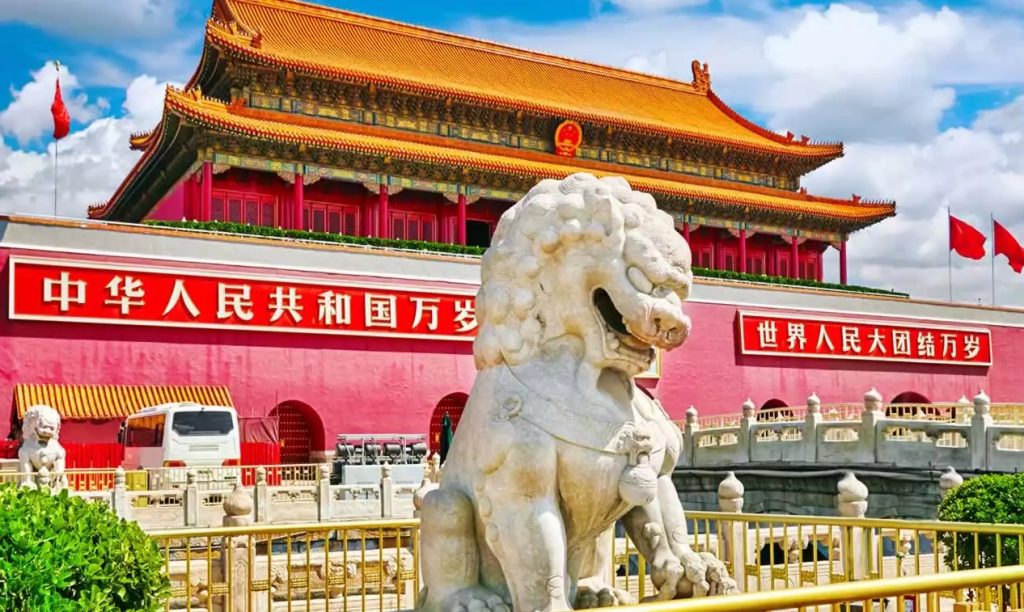
Tiananmen Square is the symbolic heart of modern China and one of the largest public squares in the world. Covering approximately 44 hectares, it has been the setting for many of China’s most significant historical events and remains one of Beijing’s most visited landmarks.
The square is surrounded by several important attractions, including the Tiananmen Gate, the Monument to the People’s Heroes, the Great Hall of the People, the National Museum of China and the entrance to the Forbidden City. Many visitors also arrive early in the morning to watch the daily flag-raising ceremony, a popular tradition that attracts both locals and tourists.
Due to its central location, Tiananmen Square is often the starting point for exploring Beijing’s imperial landmarks. Visitors should note that security checks are required before entering, so bringing a passport and allowing extra time is recommended.
Built for the 2008 Beijing Olympic Games, Olympic Park has become one of the city’s most recognisable modern attractions. The park showcases Beijing’s contemporary architecture and serves as a striking contrast to the city’s ancient temples and imperial palaces.
Its two most famous landmarks are the Bird’s Nest National Stadium and the Water Cube National Aquatics Centre. The Bird’s Nest remains one of the world’s most iconic stadiums and was also used during the 2022 Winter Olympics. Visitors can tour both venues, enjoy panoramic views from observation areas and learn about Beijing’s Olympic legacy.
How Many Days Do You Need in Beijing?
The ideal amount of time depends on your interests, but we generally recommend spending 3 to 4 days in Beijing for a well-rounded first visit. This allows enough time to explore the city’s iconic landmarks, experience local culture and visit the Great Wall without feeling rushed. If you have less time, you can still see many of Beijing’s highlights, while travellers with extra days can venture beyond the city’s most famous attractions.
One Day in Beijing
Perfect for travellers on a short stay, cruise stop or long layover, one day is enough to experience some of Beijing’s most iconic sights. While you won’t be able to see everything, careful planning allows you to make the most of your time.
Recommended itinerary:
- Tiananmen Square
- Forbidden City
- Jingshan Park (for panoramic city views)
- Temple of Heaven or Lama Temple
Alternative: If you’ve already visited the city centre, dedicate your day to the Mutianyu Great Wall for an unforgettable experience.
Two Days in Beijing
With two full days, you can comfortably explore Beijing’s imperial landmarks while also visiting the Great Wall. This is one of the most popular options for first-time visitors and offers an excellent balance between history, culture and scenery.
Suggested itinerary:
Day 1
- Tiananmen Square
- Forbidden City
- Jingshan Park
- Hutongs
- Shichahai Areas
- Peking Duck dinner
Day 2
- Mutianyu Great Wall
- Summer Palace
Three Days in Beijing
Three days is our recommended itinerary for most first-time visitors. You’ll have enough time to visit Beijing’s must-see attractions while also enjoying the city’s traditional neighbourhoods, beautiful parks and local cuisine at a more relaxed pace.
Suggested itinerary:
Day 1
- Tiananmen Square
- Forbidden City
- Jingshan Park
- Wangfujing
Day 2
- Mutianyu Great Wall
- Summer Palace
Day 3
- Temple of Heaven
- Lama Temple
- Hutongs
- Shichahai or Nanluoguxiang
This itinerary allows you to experience both Beijing’s imperial heritage and its everyday local culture without rushing from one attraction to another. Check out our Classic Beijing 3 Day Private Tour Details to get more inspirations
Four to Five Days in Beijing
If you have four or five days, you’ll be rewarded with a much deeper understanding of Beijing. Beyond the famous landmarks, you can explore quieter neighbourhoods, museums, traditional markets and lesser-visited sections of the Great Wall.
Consider adding:
- Jinshanling or Gubeikou Great Wall with overnight stay at Gubei Water Town
- Beijing Beipu Temple Day Tour
- National Museum of China
- A Day at Beijing Universal Studio
- Day Tour to Huarou Yanxi Lake
- Day Trip to Longqing Gorge at Yanqing
- Beihai Park
- Prince Gong’s Mansion
- 798 Art District
- Traditional tea house or Peking Opera performance
- A Chinese cooking class or local food tour
This extra time allows you to experience Beijing at a slower pace and discover the city’s rich history, vibrant culture and hidden gems beyond the typical tourist route.
Beijing Tour Video with Wendy Wei Tours


Interested in visiting Beijing?
Wendy Wei Tours offers a variety of different packaged tours as well as custom tours including Beijing Tours, among other attractions and destinations. To find out more, please visit our Tours page or Contact Us directly to find out more.

Which Great Wall Should You Visit?
| Section | Best For |
|---|---|
| Mutianyu | Families & first-time visitors |
| Jinshanling | Hiking & photography |
| Gubeikou | Adventurous travellers |
| Simatai | Night visits |
Best Time to Visit Beijing
Beijing is a year-round destination, with each season offering a different experience. Spring and autumn are generally considered the best times to visit thanks to their comfortable temperatures, blue skies and colourful scenery. Summer is lively but can be hot and humid, while winter offers fewer crowds and the chance to experience Beijing’s historic landmarks in a peaceful atmosphere.
| Season | Temperature | Crowds | Weather | Our Rating |
|---|---|---|---|---|
| Spring | 5–26°C | ⭐⭐⭐ | Mild & blooming | ⭐⭐⭐⭐⭐ |
| Summer | 20–35°C | ⭐⭐⭐⭐⭐ | Hot & humid | ⭐⭐⭐ |
| Autumn | 8–27°C | ⭐⭐⭐⭐ | Cool & sunny | ⭐⭐⭐⭐⭐ |
| Winter | -8–8°C | ⭐ | Cold & dry | ⭐⭐⭐⭐ |
Spring (March to May)
Average Temperature: 5°C–26°C (41°F–79°F)
Spring is one of our favourite seasons for visiting Beijing. The weather is generally mild, flowers begin to bloom across the city and attractions such as the Summer Palace and Temple of Heaven are particularly beautiful. It’s also an excellent time to visit the Great Wall before the peak summer crowds arrive.
Best for:
- First-time visitors
- Great Wall hiking
- Photography
- Families
What to pack:
- Light jacket
- Comfortable walking shoes
- Sunglasses
Things to know:
Early spring can occasionally be windy, so we recommend carrying an extra layer.
Summer (June to August)
Average Temperature: 20°C – 35°C (68°F – 95°F)
Summer is Beijing’s busiest travel season, particularly during school holidays. The city experiences warm temperatures, occasional heavy rain and higher humidity, but longer daylight hours provide plenty of time for sightseeing. Parks, lakes and evening food streets are especially lively during this time.
Best for
- Families travelling during school holidays
- Evening sightseeing and local food experiences
- Visitors combining Beijing with other parts of China
What to pack
- Lightweight, breathable clothing
- Sun hat and sunglasses
- Sunscreen
- Reusable water bottle
- Small umbrella or lightweight rain jacket
Things to know
July and August are the wettest months of the year, with occasional afternoon showers or thunderstorms. We recommend visiting popular attractions early in the morning to avoid both the hottest part of the day and the largest crowds.
Autumn (September to November)
Average Temperature: 8°C – 27°C (46°F – 81°F)
Autumn is widely regarded as the best time to visit Beijing. Comfortable temperatures, crisp air and clear blue skies create ideal conditions for exploring both the city and the Great Wall. The colourful autumn foliage around the Summer Palace, Fragrant Hills and Mutianyu Great Wall makes this a favourite season for photographers.
Best for
- First-time visitors
- Great Wall hiking
- Photography
- Couples and outdoor enthusiasts
What to pack
- Light jacket
- Long-sleeved shirts
- Comfortable walking shoes
- Sunglasses
- A warmer layer for evenings in late autumn
Things to know
Late September through early November offers some of the year’s best weather. If possible, avoid travelling during China’s National Day holiday (1–7 October), when attractions and transportation are at their busiest.
Winter (December to February)
Average Temperature: -8°C – 8°C (18°F – 46°F)
Winter transforms Beijing into a peaceful and surprisingly beautiful destination. While temperatures can be cold, the city enjoys plenty of sunshine and far fewer tourists. Snow occasionally blankets the Great Wall and imperial palaces, creating unforgettable scenery.
Best for
- Travellers who prefer fewer crowds
- Photography
- Budget-conscious visitors
- Winter scenery and festive experiences
What to pack
- Warm winter coat
- Thermal base layers
- Gloves, scarf and beanie
- Waterproof boots or sturdy walking shoes
- Lip balm and moisturiser for the dry air
Things to know
Beijing winters are cold but usually dry, so the weather often feels more comfortable than temperatures suggest. Hotel prices are generally lower outside the Chinese New Year period, making winter an excellent value season for travellers.
Our Local Tip
If you’re visiting Beijing for the first time, we recommend travelling in April–May or late September–early November. During these months, you’ll enjoy pleasant temperatures, clear skies and ideal conditions for exploring the city’s historic landmarks and hiking the Great Wall. Autumn is our personal favourite, thanks to its colourful scenery and consistently comfortable weather.
I also have an idea that will make this section much more premium: instead of four text boxes, create four cards (Spring, Summer, Autumn, Winter) with a seasonal photo at the top, then include Temperature, Best For, What to Pack, and Things to Know underneath. It looks more like a luxury travel magazine than a standard blog and is much easier for visitors to scan.
Beijing Dining Guide – What to Eat in Beijing
Beijing’s food is rich, comforting and deeply connected to the city’s imperial history and everyday neighbourhood life. From elegant banquet dishes to simple street snacks, the capital offers a wide variety of flavours built around wheat noodles, roasted meats, savoury sauces and seasonal ingredients.
For first-time visitors, these are some of the most famous Beijing dishes and snacks worth trying.
Beijing Must try Local Specialty

Peking Duck
Peking Duck is Beijing’s most famous speciality and one of China’s most celebrated dishes. The duck is roasted until the skin becomes thin, crisp and golden, while the meat remains tender and juicy.
It is traditionally served with delicate pancakes, spring onion, cucumber and a sweet bean sauce. Diners wrap the duck and garnishes together to create a balance of crisp, savoury and slightly sweet flavours.
Many restaurants carve the duck tableside, making the meal an experience as well as a dish. For the best quality, choose a reputable restaurant that specialises in traditional wood-fired roasting. Peking Duck is usually shared, so it is ideal for couples, families and small groups.

Beijing Zhajiangmian Noodles
Zhajiangmian is one of Beijing’s most popular comfort foods. The dish consists of thick wheat noodles topped with a rich, savoury sauce made from fermented soybean paste and minced pork.
It is usually served with fresh cucumber, bean sprouts, radish and other finely sliced vegetables, which add freshness and texture. Before eating, everything is mixed together so the sauce coats the noodles evenly.
The flavour is hearty, salty and deeply satisfying, making it a favourite among local residents. Zhajiangmian is widely available in traditional restaurants and neighbourhood noodle shops, and it is an excellent choice for travellers wanting to try an authentic everyday Beijing meal.

Beijing Hot Pot
Beijing-style hot pot is traditionally prepared using a tall copper pot heated by charcoal. Thin slices of lamb are quickly cooked in the bubbling broth, then dipped into a rich sesame sauce.
Unlike the spicy hot pots associated with Sichuan or Chongqing, Beijing hot pot is generally milder and focuses on the quality of the meat and dipping sauce. Common additions include tofu, mushrooms, cabbage and handmade noodles.
The meal is social, warming and especially popular during Beijing’s colder months. It is best enjoyed slowly with friends or family, making it a memorable dining experience as well as a delicious local tradition.

Gongbao Jiding
Gongbao Jiding, commonly known internationally as Kung Pao Chicken, is not originally a Beijing dish, but it is extremely popular throughout the city and found on many restaurant menus.
The dish combines diced chicken with peanuts, dried chilli and a sweet, sour and savoury sauce. A well-prepared version should be aromatic and flavourful rather than overwhelmingly spicy.
It is a good choice for visitors who want a familiar Chinese dish while still experiencing authentic local cooking. Gongbao Jiding is usually served with steamed rice and is easy to share as part of a larger meal.

Jianbing
Jianbing is one of Beijing’s most popular breakfast foods and street snacks. It is a thin, savoury pancake cooked fresh on a hot griddle and usually filled with egg, spring onion, coriander, chilli sauce and a crispy cracker.
The result is soft, crisp, savoury and slightly spicy all at once. Vendors often prepare each jianbing to order, so you can usually ask for less chilli or adjust the fillings.
It is inexpensive, filling and easy to eat on the go, making it an excellent option before a busy day of sightseeing. For many visitors, trying a freshly made jianbing is one of the simplest and most enjoyable ways to experience everyday life in Beijing.

Tanghulu
Tanghulu is a traditional northern Chinese snack made by coating fruit in a hard, glossy sugar shell. The classic version uses hawthorn berries, although modern varieties may include strawberries, grapes, mandarins and other fruits.
The crisp sugar coating contrasts with the tart fruit inside, creating a sweet and refreshing snack. Tanghulu is especially popular during winter and is commonly sold along pedestrian streets, near parks and around traditional neighbourhoods.
It is colourful, easy to photograph and popular with both children and adults. The traditional hawthorn version has a sharper, more sour flavour, while strawberry and grape varieties are usually sweeter and more familiar to international visitors.

Where to Eat in Beijing
Beijing has one of China’s most exciting and diverse dining scenes. From Michelin-starred restaurants and elegant Chinese fine dining to historic Peking Duck restaurants, neighbourhood noodle shops, stylish cocktail bars and traditional street snacks, the city offers something for every taste and occasion.
Below are some of Beijing’s best-known dining choices, organised by restaurant type.
Michelin-Starred & Fine Dining
TRB Hutong
TRB Hutong
Set inside a restored historic courtyard near the Forbidden City, TRB Hutong offers refined European contemporary cuisine, polished service and an atmospheric dining experience combining modern elegance with traditional Beijing architecture.
King’s Joy
京兆尹
Located near the Lama Temple, King’s Joy is one of Beijing’s most acclaimed vegetarian restaurants. It presents imaginative plant-based tasting menus in a tranquil and elegant setting.
Fu Chun Ju
富春居
Located inside The PuXuan Hotel and Spa, Fu Chun Ju specialises in refined Cantonese cuisine. The restaurant is known for carefully prepared seasonal dishes, elegant presentation and sophisticated surroundings.
Peking Duck Restaurants
Siji Minfu
四季民福
One of Beijing’s most popular Peking Duck restaurant groups, Siji Minfu is known for crisp-skinned roast duck, traditional side dishes and a lively local atmosphere. Popular branches can have long queues.
Dadong Roast Duck
大董烤鸭
Dadong offers a refined interpretation of Peking Duck, known for its particularly crisp skin and lighter preparation. The menu also includes creative contemporary Chinese dishes and artistic presentation.
Quanjude
全聚德
Founded in Beijing in 1864, Quanjude is one of the city’s most famous historic Peking Duck brands. It is a well-known choice for travellers interested in experiencing an important part of Beijing’s culinary history.
Traditional Local Restaurants
No. 69 Fangzhuanchang Zhajiangmian
方砖厂69号炸酱面
A well-known casual restaurant specialising in Beijing-style zhajiangmian. Chewy wheat noodles are served with a rich fermented soybean and pork sauce, shredded cucumber and seasonal vegetables.
Bao Yuan
宝源饺子屋
Bao Yuan is known for freshly prepared dumplings with both traditional and creative fillings. It is a relaxed choice for visitors wanting to experience one of northern China’s most popular everyday foods.
Tong He Ju
同和居
Tong He Ju is a long-established restaurant serving traditional Shandong-influenced Beijing cuisine. It is known for classic northern Chinese dishes, generous flavours and a traditional local dining atmosphere.
Traditional Beijing Hot Pot
Dong Lai Shun
东来顺
Dong Lai Shun is one of Beijing’s most famous names for traditional copper-pot hot pot. Thin slices of lamb are cooked quickly in a charcoal-heated pot and served with sesame-based dipping sauce.
Jubaoyuan
聚宝源
Jubaoyuan is a popular local choice for quality lamb, traditional copper-pot cooking and flavourful sesame dipping sauce. Its best-known branches can become very busy during lunch and dinner.
Street Food & Traditional Snacks
Huguosi Xiaochi
护国寺小吃
Huguosi Xiaochi is a well-known local brand where visitors can sample a broad variety of traditional Beijing snacks, pastries, breakfast dishes and desserts in a casual setting.
Shichahai & Gulou
什刹海与鼓楼
The hutongs around Shichahai and the Drum Tower contain local cafés, noodle shops, dumpling restaurants and small snack vendors. They are ideal for combining neighbourhood exploration with casual dining.
Qianmen & Dashilar
前门与大栅栏
Qianmen and Dashilar are home to historic food brands, traditional restaurants, bakeries and local snack shops. The area is convenient for sampling Beijing flavours while exploring the old city.
Skyline Bars & Cocktail Lounges
Atmosphere
China World Summit Wing
Located on Level 80 of China World Summit Wing, Atmosphere offers panoramic views across Beijing’s central business district alongside cocktails, wine and premium spirits.
Mei
Rosewood Beijing
Mei is an elegant hotel bar offering creative cocktails, whisky, wine, live entertainment and city views. It is a sophisticated choice for drinks after dinner.
Experience Every Side of Beijing’s Dining Scene
Beijing’s food culture is best discovered through a combination of dining experiences. Enjoy Peking Duck at a respected specialist restaurant, try zhajiangmian or copper-pot hot pot in a traditional local setting, and sample jianbing or tanghulu while exploring the city’s hutongs and historic streets.
For a special evening, reserve a table at one of Beijing’s acclaimed Michelin-starred or fine-dining restaurants before finishing the night at an elegant cocktail bar overlooking the city. From simple neighbourhood food and centuries-old restaurant traditions to creative tasting menus, Beijing is one of China’s most rewarding destinations for food lovers.

Where to Stay in Beijing
Beijing is a vast city, and choosing the right neighbourhood can make a significant difference to your travel experience. Some areas are ideal for first-time sightseeing, while others are better suited to nightlife, traditional hutong culture, luxury shopping or business travel.
For most first-time visitors, we recommend staying in Wangfujing or Qianmen because both areas provide convenient access to Beijing’s historic centre. Travellers looking for modern restaurants and nightlife may prefer Sanlitun, while the CBD is best for contemporary luxury hotels and business travel.
Wangfujing
Best for: First-time visitors, sightseeing, shopping and luxury hotels
Wangfujing is one of the most convenient areas for first-time visitors to Beijing. Located immediately east of the Forbidden City, it places travellers close to Tiananmen Square, Jingshan Park, major shopping centres and numerous restaurants.
The neighbourhood combines historic attractions with modern comforts, making it easy to explore during the day and find dining or shopping options in the evening. Several subway stations provide convenient connections to other parts of the city.
Recommended Hotels
The Peninsula Beijing
A refined all-suite hotel offering spacious accommodation, polished service and a highly convenient Wangfujing location.
The PuXuan Hotel and Spa
A sophisticated contemporary hotel positioned between Wangfujing and the Forbidden City, with spacious rooms, elegant design and acclaimed dining.
Waldorf Astoria Beijing
A luxurious city hotel combining contemporary comfort with Chinese-inspired interiors near central Wangfujing.
Qianmen
Best for: History, traditional architecture, walking and cultural atmosphere
Located directly south of Tiananmen Square, Qianmen is one of the best areas for travellers who want to experience the atmosphere of historic Beijing. Its restored pedestrian streets, hutongs, traditional shops and long-established restaurants give the neighbourhood a distinctive sense of place.
Tiananmen Square, the Forbidden City and the Temple of Heaven are all within easy reach. Qianmen is especially appealing to travellers who enjoy walking, photography and exploring traditional streets rather than staying inside a modern commercial district.
Recommended Hotels
Mandarin Oriental Qianmen, Beijing
A remarkable luxury hotel formed from private courtyard houses within a historic hutong neighbourhood near Beijing’s Central Axis.
Beijing Hotel NUO
A historic luxury hotel near Chang’an Avenue, offering traditional character and convenient access to Tiananmen Square and Wangfujing.
Sanlitun
Best for: Restaurants, nightlife, modern shopping and younger travellers
Sanlitun is one of Beijing’s most fashionable and international neighbourhoods. It is known for stylish restaurants, cocktail bars, cafés, designer boutiques, embassies and the Taikoo Li shopping complex.
The area is livelier in the evenings than Wangfujing or Qianmen and is well suited to travellers who value dining and nightlife. It is further from the Forbidden City, so visitors should allow additional travel time when sightseeing in Beijing’s historic centre.
Recommended Hotels
CHAO Sanlitun Beijing
A design-led hotel and private clubhouse offering contemporary rooms, art spaces and a central position in Sanlitun.
InterContinental Beijing Sanlitun
A polished luxury hotel located close to Taikoo Li, restaurants, nightlife and the wider Chaoyang commercial district.
BEI Zhaolong Hotel
A modern lifestyle hotel by JdV by Hyatt, offering contemporary design and convenient access to Sanlitun’s entertainment district.
Beijing CBD
Best for: Business travellers, luxury hotels, skyline views and modern Beijing
Beijing’s Central Business District presents the modern face of the capital, with skyscrapers, luxury shopping centres, international offices and some of the city’s most impressive contemporary hotels.
The CBD is a practical choice for business travellers and visitors who prefer spacious luxury hotels, high-rise views and excellent dining. However, it is less atmospheric than Beijing’s historic neighbourhoods and requires additional travel time to reach the Forbidden City and hutong districts.
Recommended Hotels
Rosewood Beijing
A refined luxury hotel known for spacious accommodation, residential-style interiors, excellent restaurants and a highly regarded spa.
China World Summit Wing, Beijing
Located on the upper floors of the China World Tower, this hotel offers large rooms, panoramic city views and direct access to the China World Mall.
China World Hotel, Beijing
A long-established luxury hotel offering convenient access to the CBD, China World Mall, restaurants and business facilities.
Houhai & Shichahai
Best for: Hutongs, local character, boutique hotels and relaxed evenings
Houhai and the wider Shichahai area provide one of Beijing’s most atmospheric places to stay. The neighbourhood is characterised by lakes, narrow hutong lanes, traditional courtyard houses, local cafés, small restaurants and historic landmarks.
Staying here offers a more intimate experience than a large commercial hotel district. Accommodation is often smaller and more individual, although vehicle access can be limited inside narrow hutongs. The area is especially appealing to couples, photographers and travellers who enjoy exploring on foot.
Recommended Hotels
The Orchid Beijing
A charming boutique hotel in the historic Gulou hutong area, offering individually designed rooms, local character and a rooftop terrace.
Hotel Côté Cour Beijing
A small courtyard-style boutique hotel combining historic Beijing architecture with modern accommodation in an old hutong setting.
Which Beijing Area Should You Choose?
For a first visit, Wangfujing offers the best balance of sightseeing convenience, hotel quality, shopping and transport. Qianmen is ideal for travellers seeking a more historic atmosphere, while Houhai and Shichahai provide the most characterful hutong experience.
Choose Sanlitun for restaurants, nightlife and a younger international atmosphere. The CBD is best for business travellers and those who prefer large modern luxury hotels with skyline views.
Beijing is extremely large, and road traffic can be heavy. When selecting a hotel, consider not only the room and facilities but also how its location fits your planned sightseeing itinerary.

1. How many days should I spend in Beijing?
We recommend spending three to four days in Beijing for a first visit. This gives you enough time to explore major attractions such as the Forbidden City, the Great Wall, the Summer Palace and the Temple of Heaven while also experiencing Beijing’s traditional hutongs and local cuisine.
2. What is the best time to visit Beijing?
Spring from April to May and autumn from September to early November are generally the best times to visit Beijing. Temperatures are usually comfortable, making these seasons ideal for sightseeing, walking and visiting the Great Wall.
3. Which section of the Great Wall should I visit?
Mutianyu is an excellent choice for most first-time visitors. It is beautifully restored, offers impressive mountain views and has convenient chairlift, cable-car and toboggan options. Jinshanling is better suited to travellers interested in hiking, photography and a quieter experience.
4. Can I visit the Great Wall on a day trip from Beijing?
Yes. Mutianyu, Badaling, Jinshanling and several other sections can be visited on a day trip from central Beijing. Mutianyu works well as either a half-day or full-day excursion, while Jinshanling is better suited to a full-day trip.
5. Is Beijing safe for international visitors?
Beijing is generally a safe destination for international visitors. Tourist areas, public transportation and major attractions are well managed. As in any large city, travellers should still take normal precautions and keep an eye on personal belongings in crowded places.
6. Do I need a visa to visit Beijing?
Entry requirements depend on your nationality, travel dates and length of stay. Some travellers may qualify for visa-free entry or transit arrangements, while others will need to obtain a visa before travelling. Always check the latest official entry requirements before your trip.
7. Can foreigners use Alipay and WeChat Pay in Beijing?
International visitors can generally connect eligible overseas bank cards to Alipay or WeChat Pay. These mobile payment services are widely used for restaurants, shops, taxis and everyday purchases. Complete the setup before arriving and carry some cash as a backup.
8. Are international credit cards accepted in Beijing?
International credit cards are accepted by many luxury hotels, larger restaurants and major retailers. However, smaller businesses may prefer mobile payments or Chinese bank cards, so travellers should avoid relying exclusively on an international credit card.
9. Is English widely spoken in Beijing?
English is commonly spoken at international hotels, airports and some major tourist attractions, but it is less widely used in local restaurants, shops and taxis. A translation app or destination names written in Chinese can make travelling much easier.
10. What is the best way to get around Beijing?
Beijing has an extensive subway network connecting many major attractions and neighbourhoods. Taxis and ride-hailing services are also widely available. Because Beijing is a very large city, private transportation can be more convenient when visiting several attractions in one day.
11. Is Beijing suitable for families with children?
Yes. Beijing offers many family-friendly experiences, including the Great Wall, the Summer Palace, Olympic Park, museums and traditional hutong activities. Children often particularly enjoy the chairlift and toboggan experience at Mutianyu Great Wall.
12. What food should I try in Beijing?
Peking Duck is Beijing’s best-known speciality. Other dishes worth trying include zhajiangmian noodles, jianbing savoury pancakes, dumplings, Beijing-style hotpot and traditional local snacks. The city also offers excellent regional Chinese and international dining.
13. Is Beijing an expensive city to visit?
Beijing can accommodate a wide range of budgets. Luxury hotels, private tours and fine dining are readily available, while public transportation and local restaurants can be very affordable. Your overall costs will depend mainly on your preferred accommodation and travel style.
14. Can I drink tap water in Beijing?
Visitors are generally advised not to drink untreated tap water in Beijing. Bottled water is inexpensive and widely available, and most hotels provide drinking water in guest rooms. Boiled or properly filtered water is also suitable.
15. Is the Forbidden City closed on Mondays?
The Palace Museum is normally closed on Mondays, although arrangements may differ during certain public holidays. Opening hours and closure dates can change, so confirm the current schedule before finalising your Beijing itinerary.
16. Do I need to reserve Forbidden City tickets in advance?
Advance reservations are strongly recommended because daily visitor numbers are limited and tickets can sell out, particularly during weekends, public holidays and peak travel seasons. Valid passport information is normally required when making a reservation.
17. Is Beijing worth visiting during winter?
Yes. Winter brings colder temperatures but also fewer crowds, generally lower accommodation prices and a quieter sightseeing experience. Occasional snowfall can create beautiful scenery at the Forbidden City, Summer Palace and the Great Wall.
18. What should I wear when visiting Beijing’s temples?
Comfortable and respectful clothing is recommended when visiting religious sites such as the Lama Temple. Avoid clothing that is overly revealing and wear comfortable walking shoes, as Beijing attractions can involve considerable walking, steps and uneven surfaces.
19. Do I need a private guide in Beijing?
A guide is not compulsory, but a knowledgeable local guide can provide valuable historical context, assist with transportation and reservations, and help you make better use of your time. Private guiding is particularly useful at attractions such as the Forbidden City and Great Wall.
20. What are the must-see attractions in Beijing?
Essential attractions for a first visit include the Forbidden City, Tiananmen Square, the Great Wall of China, the Temple of Heaven and the Summer Palace. Depending on your available time, you can also visit the Lama Temple, traditional hutongs, Jingshan Park and Olympic Park.